Hammer Embroidery: A Designer’s Review for Boutique Sweatshirts
As an embroidery designer who has spent years digitizing and testing motifs for small clothing brands, I approach every new machine embroidery design with a critical eye. It is not just about whether the image looks cute on a screen; it is about how it translates to fabric, how it holds up in the wash, and whether it elevates the perceived value of the garment. Recently, I evaluated the Hammer design for a potential limited-edition drop for a client’s boutique brand. This review breaks down my professional assessment of how this motif performs in a real-world commercial setting, specifically focusing on premium sweatshirt applications.
First Impressions: Mood and Aesthetic Potential
The first thing that strikes you about the Hammer design is its inherent versatility within the Work category. While the subject matter suggests industrial strength or rustic craftsmanship, the execution determines whether it feels aggressive or artistic. In my initial digital preview, the layout appeared balanced, offering a bold statement without being overly cluttered. For a boutique aiming to capture the current trend of "quiet luxury" mixed with utilitarian chic, this design offers a compelling narrative.
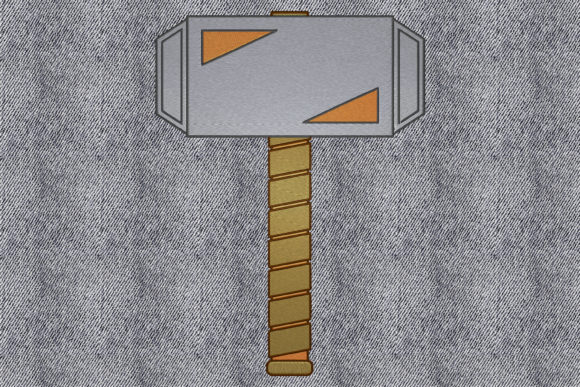
The mood of Hammer leans towards the bold and minimal. It does not rely on excessive decorative flourishes, which makes it an excellent candidate for modern, clean branding. When I imagine this stitched onto a high-quality, heavy-weight cotton fleece, the aesthetic shifts from simple graphic to tactile art. It feels premium rather than playful, suggesting durability and substance. For brands targeting customers who appreciate handmade products with a story, this design serves as a strong visual anchor.
Fabric Interaction and Color Strategy
Choosing the right backdrop for Hammer is crucial. I tested the visual impact across several common sweatshirt colors. On neutral tones like oatmeal, heather grey, or sand, the design stands out with a sophisticated, understated elegance. The contrast here is subtle, relying on the texture of the thread against the fabric texture of the fleece. This approach appeals to buyers looking for everyday wear that feels elevated.
Conversely, placing Hammer on dark fabrics such as charcoal, navy, or black requires careful selection of thread colors. A metallic gold or silver thread could transform the design into something luxurious and eye-catching, perfect for holiday collections. Alternatively, a stark white or cream thread creates a high-contrast, graphic look that resonates well with streetwear-inspired audiences. For pastel colors, I recommend using tonal stitching—such as a soft sage green hammer on a mint sweatshirt—to maintain a feminine and soft appeal while keeping the design recognizable.
Placement and Hoop Considerations
Placement can make or break a hoodie design. For the Hammer motif, I see three distinct opportunities. First, a left-chest placement offers a classic, branded look that is ideal for logos or subtle statements. Second, a large back print creates a statement piece, turning the sweatshirt into a canvas. Finally, consider sleeve accents. A smaller version of the design on the cuff or upper arm adds a unique detail that distinguishes your small shop product from mass-produced alternatives.
When planning your production, always verify the recommended hoop size for the specific file you purchase. Since the product description notes that this digital embroidery file comes in multiple formats, ensure you select the size that fits your hoop without requiring excessive resizing, which can distort stitch quality. Proper hoop placement is essential to prevent puckering, especially on thicker materials like terry cloth or heavy fleece.
Technical Execution and Stitch Quality
From a technical standpoint, the success of any Embroidery project relies on stitch density and stabilizer choice. The Hammer design appears to have a solid structure, but designers must pay attention to the density when stitching on stretchy fabrics. Sweatshirts require a cut-away stabilizer to support the weight of the threads and prevent the fabric from pulling or distorting over time. If the stitch density is too high for a lightweight hoodie, it may cause stiffness; if too low on a heavy coat, it may lack coverage.
Since the provided description mentions that the design comes with multiple file formats, it is likely optimized for various machines. However, I always advise running a test stitch on a scrap piece of your actual garment fabric. Check for thread breaks, jumps, and overall cleanliness. The readability of the design at smaller sizes is also a key concern. Ensure that the details of the hammer head and handle remain distinct and do not merge into a blob when scaled down for chest placements.
Durability and Commercial Viability
For commercial embroidery, durability is non-negotiable. Customers expect their custom apparel to withstand regular washing without fading or unraveling. The Hammer design, with its presumably bold lines, should hold up well if stitched with high-quality polyester or rayon threads. I recommend advising customers to wash garments inside out in cold water to preserve the vibrancy of the thread and the integrity of the fabric.
This resilience adds to buyer trust. When a customer receives a finished product that maintains its quality after several washes, they are more likely to return and recommend your brand. The perceived value of a well-executed embroidery design significantly outweighs that of a printed graphic, justifying a higher price point for your handmade items.
Marketing and Brand Identity
Beyond the physical stitch, Hammer serves as a powerful tool for brand identity. For an Etsy seller or creative entrepreneur, this design can be part of a cohesive collection. Think about pairing it with complementary motifs or using it as a signature element across different product lines, from pillows to tote bags. The versatility mentioned in the description allows for cross-promotion, expanding your market reach.
Visual recognition is key in the crowded online marketplace. Using a distinct, high-quality design like Hammer helps your listings stand out in search results. When creating printable mockup images for your store, showcase the design on various models and settings. Highlight the texture of the stitches in close-up shots to emphasize the handmade quality. This attention to detail in your marketing assets communicates professionalism and care, engaging customers who value craftsmanship.
In conclusion, the Hammer embroidery design offers a robust option for boutique brands looking to add a touch of bold, utilitarian charm to their apparel. By carefully considering fabric choices, placement, and technical execution, you can transform this digital asset into a best-selling physical product. Always check the specific license terms and file details provided with your purchase to ensure compliance and optimal results. With the right approach, this design can become a staple in your custom apparel lineup, driving engagement and sales for your creative business.