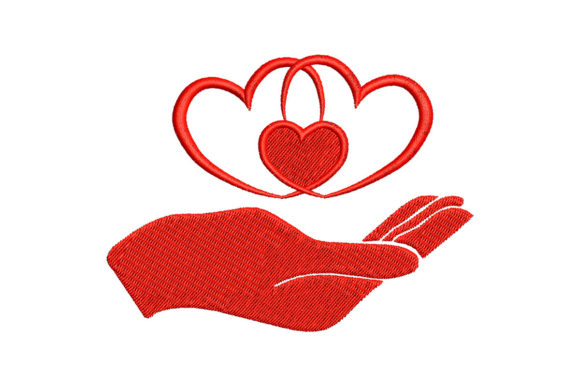
Heart in Hand: A Designer’s Review for Small Business Merch
As an embroidery designer who has spent years digitizing and reviewing files for commercial use, I approach every new machine embroidery design with a critical eye. It is not just about whether a pattern looks pretty on a screen; it is about how it performs on fabric, how it holds up after washing, and most importantly, how it serves the brand identity of the small business using it. Recently, I reviewed Heart in Hand, a romantic heart embroidery design marketed for Valentine’s Day. While the description highlights its suitability for impressing partners, my focus was strictly professional: can this design elevate small business merchandise, branded patches, and custom apparel?
First Impressions: Visual Personality and Brand Fit
The title Heart in Hand immediately suggests warmth, care, and a personal touch. In the context of branding, these are powerful emotional triggers. Upon initial inspection, the design feels friendly, handmade, and approachable rather than overly corporate or rigid. For boutique owners, bakeries, florists, and creative studios, this aesthetic is gold. It bridges the gap between professional quality and the artisanal charm that customers crave from local businesses.
The description notes that it is "fun and easy to stitch on any fabric you choose." From a designer’s perspective, "easy to stitch" often implies manageable stitch density and a lack of overly complex underlay structures that might cause puckering. This is a crucial feature for small business owners who may be running their own embroidery machines or working with limited production time. The romantic nature of the heart motif makes it a natural fit for the Valentine’s Day season, but its versatility allows it to transcend seasonal limits if used correctly as a symbol of care and service.
Real-World Applications for Small Business Merch
When evaluating Heart in Hand for commercial embroidery projects, I looked beyond the standard t-shirt. Here is how this design performs across various merchandise categories:
- Embroidered Patches: This is perhaps the strongest use case. A heart held in a hand translates beautifully to a patch format. It can be applied to denim jackets, canvas tote bags, or even laptop sleeves. For a handmade product line, selling these as standalone accessories adds significant revenue streams.
- Staff Uniforms and Aprons: For cafés, bakeries, or florist shops, Heart in Hand works exceptionally well as a chest logo accent on aprons. It reinforces the idea that the staff handles products with care. However, placement is key. A smaller version on the upper left chest looks professional, while a large back print might feel too casual depending on the brand voice.
- Cap Embroidery: Caps are high-value items for retail. The design’s simplicity likely allows it to fit well on the curved front panel of a baseball cap. However, one must ensure the width does not exceed the typical 2.5-inch limit for standard cap hoops without distorting the proportions.
- Tote Bag Design: Canvas totes are staples for bookstores and markets. The romantic and friendly vibe of the design complements the eco-friendly, reusable nature of tote bags. It serves as a subtle brand mark that customers are proud to carry.
- Customer Gifts and Packaging Accents: Imagine a small embroidered tag attached to a product package. Using this digital embroidery file to create branded hang tags adds a premium feel to unboxing experiences, increasing perceived value.
Technical Considerations and Production Challenges
While the aesthetic appeal is strong, technical execution determines the quality of the finished product. Here are the specific areas where I advise caution and testing:
Stitch Density and Fabric Texture: The description claims it works on "any fabric," but experienced designers know this requires nuance. On textured fabrics like terry cloth or heavy canvas, fine details can get lost. Conversely, on lightweight silks or thin polyesters, high stitch density can cause puckering. I recommend testing the design on your specific material with the appropriate stabilizer. A cut-away stabilizer is often safer for garments that will undergo frequent washing, ensuring the design remains stable over time.
Size Limitations: If you plan to use Heart in Hand as a tiny label or on a narrow cuff, you must verify the legibility. Intricate lines in the "hand" portion of the design may merge if scaled down too far. Always create a printable mockup at actual size to check for clarity before committing to a full production run.
Thread Color Contrast: For dark uniforms or navy caps, thread choice is critical. A red heart on a black shirt may lack definition if the shading is subtle. Consider using high-contrast thread colors or adding a satin stitch border to make the design pop against dark backgrounds. Test it in black and white first to ensure the shape remains recognizable without relying on color gradients.
Impact on Brand Identity and Customer Trust
Consistency in design assets builds trust. If your brand values warmth, community, and handmade quality, Heart in Hand aligns perfectly with that narrative. Using a cohesive visual language across your custom apparel, packaging, and social media creates a memorable brand identity. Customers are more likely to engage with brands that feel authentic and human. This design avoids the coldness of generic clipart, offering a bespoke feel that resonates with buyers seeking unique, local products.
Furthermore, offering merchandise with high-quality embroidery signals professionalism. It shows that you invest in durable, tangible representations of your brand. Whether it is an Etsy branding effort or a local shop’s uniform, the tactile quality of embroidery adds a layer of luxury that printed graphics cannot match.
Practical Designer Notes for Implementation
Before integrating Heart in Hand into your product line, follow these steps to ensure success:
- Verify File Details: The product description mentions it comes with "multiple" formats, but it does not specify exact hoop sizes or stitch counts. Always check the included read-me file or contact the seller to confirm compatibility with your machine’s maximum hoop size.
- Check Commercial Licensing: Ensure the license allows for physical product sales. Most digital embroidery files do, but it is vital to confirm there are no restrictions on the number of units you can produce.
- Create Client Mockups: If you are designing for a client, place the design on realistic mockups of aprons, caps, and totes. This helps visualize scale and placement, preventing costly mistakes during production.
- Test Wash Durability: Run a wash test on your sample piece. Check for thread breakage, color bleeding, or fabric distortion. This step is non-negotiable for items like aprons and work shirts that require frequent cleaning.
- Compare with Existing Assets: Place Heart in Hand beside your current logo and other design elements. Does it complement them? Does it clash? Visual consistency is key to a polished brand presentation.
In conclusion, Heart in Hand is a versatile and emotionally resonant addition to a small business’s design toolkit. While it shines during Valentine’s Day promotions, its application extends far beyond seasonal gifts. By paying attention to technical details like stabilizer choice, thread contrast, and sizing, embroidery professionals can leverage this design to create high-quality, branded merchandise that enhances customer loyalty and brand recognition. It is a reminder that even simple motifs, when executed with precision and strategic intent, can become powerful symbols of a business’s values.