Love Pumpkin: A Designer’s Review for Fall Embroidery
As an embroidery designer who has spent countless hours digitizing, testing, and stitching out thousands of designs, I approach every new machine embroidery design with a critical eye. It is not just about whether the image looks cute on a screen; it is about how those stitches lay down on fabric, how the tension holds up after washing, and whether the final finished product feels premium enough to sell. Recently, I evaluated Love Pumpkin, a fall-themed design that promises style for home decor and accessories. Here is my practical assessment of how this design performs in real-world applications.
First Impressions and Visual Personality
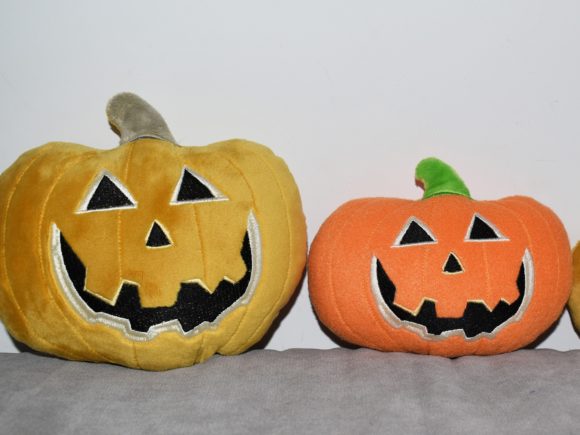
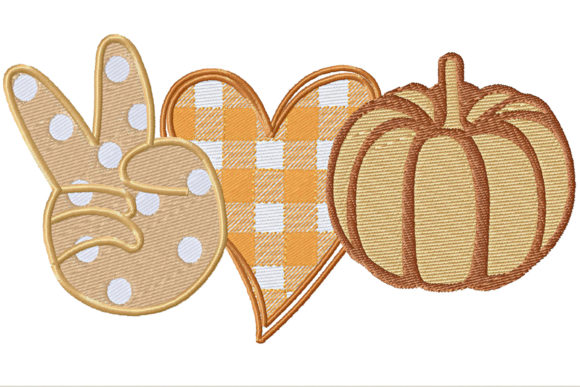
The first thing that strikes you about Love Pumpkin is its balanced simplicity. In a market saturated with overly complex Halloween motifs, this design opts for a cleaner, more modern aesthetic. The layout suggests a focus on shape and silhouette rather than excessive detail, which is often a smart move for machine embroidery. Complex details can get lost in the stitch structure, especially on textured fabrics.
The mood here is warm and inviting rather than spooky. This makes the design versatile. It does not scream "Halloween" in a way that limits its shelf life to October 31st. Instead, it fits comfortably into the broader category of autumn decor. For a craft business owner, this extended usability is crucial. You want a digital embroidery file that can sell from September through November, potentially even lingering into early winter as a cozy accent. The visual personality is friendly, making it an excellent candidate for personalized gift items where the recipient might appreciate subtlety over shock value.
Real-World Application: The Tote Bag Test
To truly understand the value of Love Pumpkin, I mentally placed it on a canvas tote bag. This is a classic use case for tote bag design. Canvas has a distinct weave, and a design with moderate stitch density works best here. If the design were too dense, it would cause the fabric to pucker; if it were too sparse, the canvas texture would show through uncomfortably.
Based on the description noting its suitability for textile bags, I anticipate this design uses a combination of fill stitch for the pumpkin body and perhaps satin stitch for outlines or accents like the stem or heart elements. This combination provides good coverage without adding excessive bulk. When stitched on a natural cotton canvas, the contrast between the thread colors and the fabric creates a rustic, handmade appeal. For an Etsy seller, this is the kind of small shop product that photographs well. It looks intentional and professional, not like a quick afterthought.
Expanding to Apparel and Home Decor
Beyond bags, Love Pumpkin shows promise for sweatshirt embroidery. Fleece and French terry are forgiving fabrics, but they require careful stabilizer selection. A cut-away stabilizer is usually non-negotiable for knit fabrics to prevent distortion. The design’s likely moderate complexity means it should sit flat on a chest or sleeve without creating a stiff, cardboard-like patch. This is vital for custom apparel where comfort is key.
For home decor, specifically pillow covers, the design acts as a focal point. Whether used on a linen blend or a heavy cotton duck, the stylized nature of the pumpkin allows it to blend with various interior styles, from farmhouse to modern minimalist. As a holiday embroidery piece, it adds seasonal flair without overwhelming the room. It is also suitable for kitchen towels, provided the stitch count is not so high that it makes the towel unusable. Always check the specific stitch count in the embroidery file details before committing to thin linens.
Technical Considerations and Fabric Compatibility
While Love Pumpkin appears versatile, there are scenarios where caution is required. Any experienced embroiderer knows that fabric choice dictates success. Here are specific areas to watch:
- Stretchy Fabrics: If using this on a baby onesie for baby embroidery, ensure you use a hoop frame that minimizes stretching during stitching. Knits can distort easily, ruining the symmetry of the pumpkin shape.
- Dark Fabrics: Thread color contrast is essential. If stitching on navy or black, ensure the design includes enough light-colored threads or consider using a lighter backing fabric if it is an applique. However, since this is described as a standard embroidery design, verify if it relies on underlay stitches to pop against dark backgrounds.
- Small Hoop Sizes: Check the maximum dimensions of the design. If you are working with a 4x4 inch hoop, confirm the design fits without scaling it down too much. Scaling down can cause running stitch elements to become too fine, leading to thread breaks or poor coverage.
- Curved Surfaces: Stitching on caps or hats requires a different approach. The design must be narrow enough to fit the front panel without wrapping around the sides. If Love Pumpkin is wide, it may not be suitable for standard cap embroidery without significant resizing, which could compromise quality.
Enhancing Product Value and Brand Consistency
From a business perspective, the clarity of the stitching directly impacts perceived value. A clean, well-digitized design like Love Pumpkin helps build customer trust. When buyers see crisp edges and consistent fill, they associate that quality with your brand. This is particularly important for commercial embroidery projects where consistency across multiple units is required.
Using this design in your design assets library allows for cohesive marketing. You can create printable mockup images showing the pumpkin on various products—aprons, pillows, bags—to showcase versatility. This helps customers visualize the handmade product in their own lives, increasing engagement and conversion rates. For boutique branding, having a signature fall design that is recognizable yet simple can help establish a seasonal collection identity.
Practical Designer Notes for Best Results
Before you load Love Pumpkin into your machine for a client order or a large batch of gifts, follow these practical steps to ensure success:
- Test on Scrap Fabric: Always stitch out a test sample on the same type of fabric you intend to use. This reveals any issues with tension or density.
- Check Stabilizer Choice: Match the stabilizer to the fabric weight. Use tear-away for stable wovens and cut-away for knits or stretchy materials.
- Review Thread Colors: Plan your thread palette in advance. Traditional orange and green work, but consider muted tones like rust, mustard, or olive for a more sophisticated, modern look.
- Inspect Small Details: Zoom in on the digital preview. Look for tiny jumps or potential thread trims that might need manual cleanup after stitching.
- Verify Licensing: If you plan to sell items made with this design, confirm the license terms. Most designers allow sales of physical finished goods, but restrictions may apply to digital resale or mass production.
- Mockup in Black and White: Convert your digital preview to grayscale to check for contrast issues. This helps identify if any parts of the design will blend into the fabric too much.
In conclusion, Love Pumpkin appears to be a solid addition to any autumn-themed embroidery project portfolio. Its strength lies in its adaptability and clean aesthetic. By paying attention to fabric choice, stabilizer support, and thread contrast, you can leverage this design to create high-quality, appealing products that resonate with customers looking for cozy, seasonal charm. Whether you are a hobbyist making gifts or a professional running a small shop, this design offers the reliability and style needed for successful execution.