Review: Letter D Cat Sketch for Modern Embroidery
As a designer who spends half my life digitizing and the other half stitching, I have developed a keen eye for what works in the hoop and what looks good on paper but fails in thread. When I first pulled up the Letter D Cat Sketch, I was immediately drawn to its deceptive simplicity. It is not just another alphabet set; it is a study in minimalism. The description promises a hand-drawn aesthetic with light filling and minimal underlay, which usually signals two things: speed and elegance. But does it hold up when you are trying to sell a finished product or gift something truly special? I put this design through its paces to see if it deserves a spot in your active library.
The Aesthetic Appeal of Hand-Drawn Minimalism
The first thing you notice about the Letter D Cat Sketch is its personality. In a market saturated with dense, heavy-fill designs that can look bulky on modern apparel, this piece breathes. The sketch style mimics the organic imperfection of a pencil drawing, giving it a warm, approachable feel. For embroidery designers and Etsy sellers, this is crucial. Customers are moving away from stiff, corporate-looking logos and toward items that feel handmade and authentic.
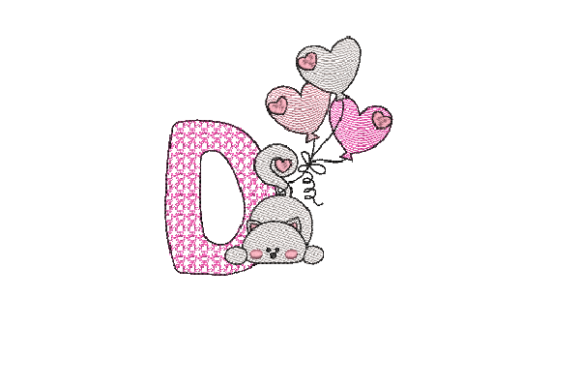
The integration of the letter "D" with the cat motif is seamless. It does not feel like two separate elements slapped together; rather, the curves of the cat’s body naturally form the vertical and curved lines of the letter. This visual cohesion means the design reads clearly even from a distance. For a craft business, clarity is king. If a customer has to squint to understand the monogram, you have lost the sale. This design avoids that pitfall by keeping the lines clean and the silhouette distinct.
Real-World Application: The Custom Tote Bag Test
To truly evaluate a machine embroidery design, you must imagine it on a physical product. I envisioned using this sketch for a custom canvas tote bag, a staple item for many small shop owners. Canvas has a distinct texture, and heavy designs can sometimes sink into the weave or cause puckering if the stabilizer is not perfect. Because the Letter D Cat Sketch is lightly filled with little to no underlay, it sits beautifully on top of the fabric rather than digging into it.
The result is a crisp, professional finish that looks intentional and high-end. For a personalized gift, such as a teacher appreciation present or a librarian’s book bag, this design strikes the right balance between playful and sophisticated. It does not scream "novelty"; instead, it whispers "thoughtful customization." This subtlety increases the perceived value of the finished product, allowing you to charge a premium for what is essentially a quick stitch-out.
Performance on Apparel and Delicate Fabrics
Beyond totes, I considered how this would perform on custom apparel, specifically sweatshirts and baby clothes. Sweatshirt fleece is thick and plush. Dense designs often get lost in the pile or cause the garment to stiffen uncomfortably. The light fill of this cat sketch allows the fabric to remain soft and flexible. The stitch density is low enough that it does not create a hard patch on the chest of a hoodie, making it comfortable for all-day wear.
For baby embroidery, comfort is non-negotiable. Parents are increasingly conscious of scratchy tags and heavy embellishments. This design, with its open spaces and lack of heavy saturation, is ideal for onesies or burp cloths. However, caution is advised. Because the design relies on a sketch-like quality, using it on very stretchy fabrics like jersey knit requires a high-quality cut-away stabilizer. Without proper support, the lightweight nature of the stitching might not hold its shape against the tension of the fabric during wear and washing.
Navigating Technical Constraints and Hoop Sizes
One of the strengths of this embroidery file is its versatility regarding hoop size. While I do not have the exact dimensions here, the compact nature of a single letter combined with a small animal motif suggests it fits well in standard 4x4 or 5x7 hoops. This makes it accessible for home hobbyists with smaller machines as well as commercial shops running multi-needle units.
However, there are areas where you must exercise care. The "sketch" style often utilizes running stitches or very light satin stitches to mimic pencil lines. On textured fabrics like terry cloth or heavily woven linen, these fine lines can get lost. I recommend testing the design on scrap fabric first, especially if you are working with dark fabrics. The contrast between the thread colors and the background is vital. A dark thread on a dark shirt will vanish, ruining the impact. Conversely, on light fabrics, ensure your needle is sharp enough to prevent snagging, as the light fill offers less coverage to hide minor fabric pulls.
Commercial Viability and Brand Consistency
For digital product sellers and those creating printable mockups, this design is a goldmine. Its clean lines translate well into digital previews, helping customers visualize the final item. When building a brand, consistency matters. If your shop focuses on whimsical, hand-drawn aesthetics, the Letter D Cat Sketch fits perfectly into a cohesive collection. It pairs well with other sketch-style alphabets, allowing you to offer full name personalization without switching artistic styles.
From a production standpoint, the promise of a "quick stitch out" is a significant advantage for commercial embroidery. Time is money. A design that stitches fast but delivers high visual impact improves your throughput. You can produce more units in less time, increasing your profit margin on items like embroidered patches or holiday gifts. Just remember to verify the licensing terms. Most designers allow selling finished physical items, but restrictions on sharing the digital file itself are standard. Always confirm these details before listing products on your small shop product pages.
Final Designer Notes for Best Results
To get the most out of this Cats themed design, keep these practical tips in mind:
- Thread Selection: Use a matte polyester or cotton thread to enhance the hand-drawn look. High-sheen rayon might look too glossy and contradict the sketch aesthetic.
- Stabilizer Choice: For woven fabrics, a medium-weight cut-away is safe. For knits, stick to cut-away to prevent distortion. Avoid tear-away on stretchy materials.
- Testing: Always stitch a test sample. Check for thread breaks in the finer details of the cat’s whiskers or ears, as these are common trouble spots in sketch-style digitizing.
- Contrast: Ensure high contrast between thread and fabric. If stitching on white, use black, navy, or charcoal. On black, use white, cream, or pastels.
- Placement: Center the design carefully. Because it is asymmetrical, eyeballing the placement can lead to a crooked look. Use your machine’s alignment features.
In conclusion, the Letter D Cat Sketch is a thoughtful addition to any embroidery project library. It respects the fabric, saves production time, and appeals to the modern consumer’s taste for understated charm. Whether you are creating a holiday embroidery gift or stocking your boutique with tote bag design options, this piece delivers professional results with minimal hassle. Just respect the nuances of the fabric and stabilizer, and let the simple beauty of the sketch shine.