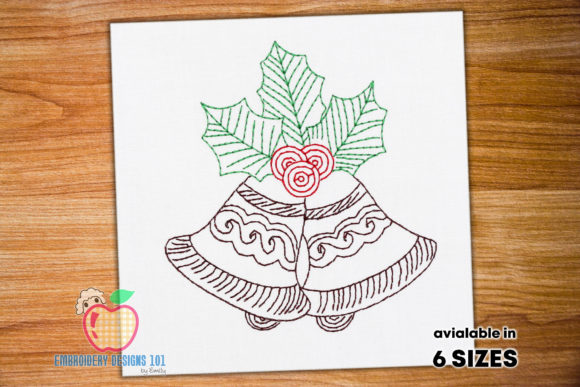
Reviewing Decorative Bell for Boutique Apparel
As an embroidery designer who spends countless hours digitizing and testing files for boutique collections, I am always on the lookout for designs that balance aesthetic appeal with production efficiency. When I recently browsed Creative Fabrica embroidery options for my upcoming winter capsule, the Decorative Bell caught my eye. It is not just another holiday motif; it is a strategic asset for small clothing brands looking to add seasonal flair without compromising on modern minimalism. In this review, I will break down how this line art machine embroidery design performs on various garments, from cozy sweatshirts to structured denim jackets, and why it might be the perfect addition to your next custom apparel drop.
First Impressions: Visual Personality and Stitching Mood
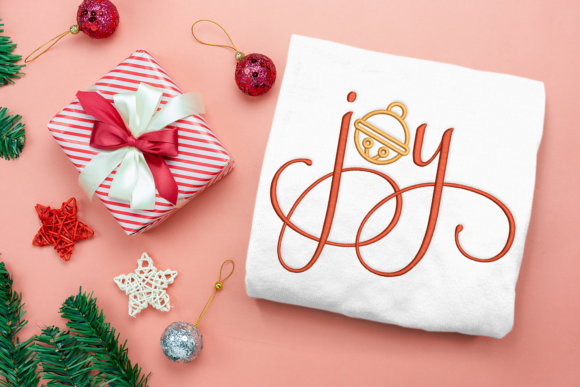
The first thing you notice about the Decorative Bell is its clean, linear personality. Unlike traditional filled designs that can feel heavy or dated, this piece relies on running line stitches in Single and Triple Run configurations. This approach gives it a contemporary, hand-drawn vibe that feels both playful and refined. For a boutique brand, this visual lightness is crucial. It allows the design to sit comfortably on modern silhouettes, such as oversized hoodies or fitted tees, without overwhelming the fabric.
The stitching mood is decidedly efficient. Because the design utilizes simple line work, it stitches out in minutes. For an Etsy seller or a small shop owner managing multiple orders, speed is currency. A design that looks intricate but sews quickly allows you to maintain higher profit margins while keeping lead times short. The aesthetic leans towards rustic yet trendy, making it versatile enough for classic Christmas collections or broader winter-themed merchandise that extends beyond December 25th.
Performance on Sweatshirts and Hoodies
When planning a sweatshirt embroidery collection, fabric texture is your primary concern. Fleece and French terry have a nap and stretch that can distort dense designs. Here, the Decorative Bell shines. Its open structure means there is minimal pull on the fabric, reducing the risk of puckering. I envision this design perfectly placed on the left chest of a neutral oatmeal hoodie or as a subtle accent on the sleeve cuff of a pastel pink sweatshirt.
For darker apparel, such as charcoal or navy hoodies, the contrast becomes a key design element. Using metallic gold or bright white thread against dark fleece creates a striking visual that photographs beautifully for social media graphics and printable mockup listings. The simplicity of the line art ensures that the design remains legible even from a distance, which is vital for lifestyle product photos where the garment is being worn rather than laid flat.
Placement Strategies for Maximum Impact
While the left chest is the standard for boutique credibility, do not overlook other placement opportunities. The Decorative Bell is small enough to work as a repeated pattern along the hem of a t-shirt or as a cluster on the back yoke of a denim jacket. However, caution is required when working with curved surfaces or ribbed fabrics. Always test your hoop alignment on scrap pieces of the exact garment material you intend to use. Ribbing can shift during hooping, so using a strong adhesive stabilizer is non-negotiable to keep those delicate lines crisp.
Versatility Beyond Apparel: Totes and Accessories
A smart commercial embroidery strategy involves maximizing the utility of a single digital embroidery file. The Decorative Bell translates exceptionally well to non-apparel items. Imagine this design stitched onto canvas tote bags or cotton tea towels. These items serve as excellent upsells for your main clothing line, increasing the average order value for your small shop product range.
On tote bags, the line art style complements the natural texture of canvas. It feels handmade and authentic, reinforcing the trust buyers place in artisanal goods. For handmade product sellers, consistency is key. Using the same design across hoodies, totes, and even embroidered patches creates a cohesive brand identity. Customers begin to recognize your specific aesthetic, which drives repeat business and strengthens customer engagement.
Technical Considerations for Professional Results
Before launching any new design into production, technical due diligence is essential. The product description notes that these are running line stitches, often completed in minutes. However, it does not specify exact stitch counts, file formats, or compatible hoop sizes. As a professional, I strongly advise downloading the preview or checking the detailed specifications on Creative Fabrica before purchasing. You need to confirm that the file formats match your machine’s requirements and that the design fits within your preferred hoop size, typically 4x4 or 5x7 for small chest placements.
Stitch density is another critical factor. While line art is generally low-density, the type of run stitch matters. Single runs may require slower machine speeds to prevent thread breaks, while triple runs provide more coverage and durability. Test on scrap fabric first. Check your tension settings and ensure your needle is sharp and appropriate for the fabric weight. For stretchy fabrics like jersey tees, a cut-away stabilizer might be overkill; a tear-away or wash-away could suffice, but always verify by washing the test sample to check for distortion.
Thread Color and Brand Identity
The choice of thread colors can dramatically alter the perception of the Decorative Bell. For a luxury feel, consider monochromatic threading—using a thread shade slightly lighter or darker than the garment fabric. This subtle approach appeals to customers seeking understated elegance. Conversely, for a playful, festive look, high-contrast combinations like red on white or green on black embrace the Christmas category without feeling cliché. Your color choices define your brand’s voice, so curate a palette that aligns with your overall collection.
Enhancing Product Value and Buyer Trust
In the competitive world of online retail, presentation is everything. A well-executed embroidery design elevates a basic garment into a premium finished product. The clean lines of the Decorative Bell contribute to a professional appearance that signals quality craftsmanship. When customers see precise, unpuckered stitching, their trust in your brand increases. This attention to detail is what differentiates a hobbyist from a serious creative entrepreneur.
Furthermore, this design supports efficient marketing. Because it stitches quickly, you can produce samples for photography without tying up your machine for hours. High-quality images of the bell on various textures—fleece, denim, cotton—allow you to create diverse content for Instagram, Pinterest, and your Etsy listings. Showcasing the versatility of the design helps customers visualize how it fits into their wardrobe, driving conversion rates.
Final Verdict for the Modern Maker
The Decorative Bell is a thoughtful addition to any embroidery library focused on apparel and lifestyle goods. Its strength lies in its simplicity and speed, making it ideal for high-volume periods like the holiday season. It respects the fabric it sits on, avoiding the stiffness associated with heavier designs, and offers flexibility in placement and color application.
For embroidery shops and independent designers, this file represents a low-risk, high-reward investment. It allows for rapid prototyping and diverse product offerings, from hoodie designs to accessory accents. Just remember to validate the technical specs upon download and rigorously test on your specific garment blanks. With proper stabilization and thread selection, the Decorative Bell can become a signature element of your winter collection, delivering both aesthetic charm and operational efficiency.