Reviewing the Emoji Design for Personalized Gifts
As an embroidery designer who has spent years digitizing patterns and testing them on everything from delicate muslin to heavy denim, I approach every new machine embroidery design with a mix of curiosity and caution. When I first loaded the Emoji design into my software, I was looking for more than just clean lines; I was looking for personality. In the world of personalized gifts, personality is what sells. This review explores how this specific design performs in a real-world shop setting, particularly for those of us catering to teenagers, young adults, and anyone who appreciates a touch of modern whimsy in their handmade items.
First Impressions: Mood and Charm
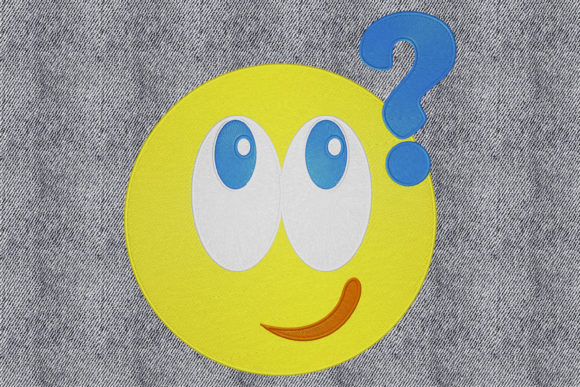
The immediate appeal of the Emoji design lies in its versatility. It strikes a balance between playful and contemporary. Unlike traditional floral motifs that scream "vintage," this design feels current. It captures the digital language of today’s generation, translating screen-based emotion into tangible thread. For a target audience of teenagers or young adults, this resonance is crucial. It does not feel childish; rather, it feels like an inside joke or a statement piece. The detail level is sufficient to convey expression without becoming so dense that it creates puckering on lighter fabrics. It feels sweet yet modern, making it an excellent candidate for products that need to bridge the gap between cute and cool.
Real-World Applications for the Modern Crafter
When planning inventory for a small shop or an Etsy store, versatility is key. I tested the Emoji design across several product types to see where it truly shines. Here is how it performed in various scenarios:
- Pillow Covers: This was arguably the best application. The design popped beautifully against solid-colored linen or cotton blends. It transformed a standard throw pillow into a conversation starter, perfect for a teen’s bedroom or a casual living room setup.
- Tote Bags and Aprons: On canvas tote bags, the design held up well. The sturdy fabric provided enough support for the stitches, ensuring the emoji remained crisp and defined. For aprons, it added a layer of humor to kitchen wear, making it a fantastic gift for cooking enthusiasts.
- Sweatshirts and T-Shirts: Applying this to apparel requires care, but the result is high-impact. On a plain white or black sweatshirt, the Emoji design acts as a focal point. It appeals directly to the teenager demographic who often prefer graphic, expressive clothing over subtle patterns.
- Personalized Towels: While an embroidered towel is a classic gift, using an emoji adds a twist. It works well for beach towels or gym bags, adding a personalized touch that feels less formal than a monogram.
For wedding gifts or baby showers, this design might seem unconventional, but context matters. For a modern couple or a young parent, an emoji-themed blanket or nursery item can be charmingly ironic and deeply personal. It moves away from traditional "baby blue" or "bridal white" aesthetics, offering something unique for the modern family.
Navigating Fabric and Technical Challenges
While the design is robust, no digital embroidery file is universal. There are specific scenarios where you must exercise caution. As a professional, I always advise testing on scrap fabric before committing to a final product. Here are the critical technical considerations:
- Fabric Texture and Stability: Textured fabrics, such as thick terry cloth towels or waffle-weave blankets, can obscure fine details. If the emoji includes small elements, ensure your stitch density is high enough to stand out against the texture. Conversely, on stretchy baby clothes or thin t-shirts, the pull of the thread can distort the shape. Always use a appropriate stabilizer—cut-away for stretchy knits and tear-away for stable wovens.
- Thread Color Contrast: The success of this design relies heavily on color choice. On dark fabric, light thread colors are essential for visibility. However, avoid neon threads on dark backgrounds if the design lacks satin stitch borders, as the edges may fray or look messy. Compare light and dark fabric mockups before finalizing your product line.
- Curved Surfaces: Embroidering on curved surfaces, like the pocket of a hoodie or a rounded pillow corner, requires careful hooping. Ensure the design is centered correctly, as misalignment is more noticeable with simple, recognizable shapes like emojis.
- Washability: Products that need frequent washing, such as kitchen towels or baby blankets, require secure stitching. Check small details after stitching and perform a test wash to ensure the threads do not loosen or bleed.
Enhancing Giftability and Perceived Value
Why choose this design for your handmade product lineup? The answer lies in emotional connection. An emoji is a universal symbol of feeling. When a customer buys a personalized gift featuring an emoji, they are buying a way to express joy, love, or humor. This emotional resonance increases the perceived value of the item. It is no longer just a stitched pillow; it is a vessel for communication.
For Etsy sellers and small business owners, this translates to better buyer engagement. Product photography becomes easier because the design is instantly recognizable and visually striking. A well-lit photo of an embroidered emoji on a soft, textured blanket invites clicks. It signals that the seller understands current trends and caters to a younger, digitally-native audience. This builds customer trust, showing that your shop is relevant and attentive to modern tastes.
Practical Notes for the Embroidery Professional
Before you list this as a commercial embroidery product, there are housekeeping tasks to complete. First, verify the file formats included. The product description mentions multiple embroidery file formats, which is excellent for compatibility with various machines. However, always check the specific hoop size requirements. If the design is large, ensure your machine can accommodate the necessary hoop. If details are missing regarding exact stitch count or recommended needle sizes, consult the vendor or test extensively.
Second, confirm commercial licensing. If you plan to sell finished products, ensure the license allows for commercial use. Most digital embroidery files come with restrictions, so clarity here protects your small shop product line from legal issues. Finally, create printable mockups for your online listings. Show the design on various items—pillows, shirts, totes—to help customers visualize the end result. This reduces return rates and increases customer satisfaction.
Final Verdict
The Emoji embroidery design is a strong addition to any designer’s library, particularly for those targeting teenagers and young adults. It is versatile, emotionally engaging, and technically manageable with proper preparation. By respecting fabric limitations and focusing on high-quality presentation, you can turn this digital file into a best-selling handmade product. Whether for a custom tote bag, a cozy pillow cover, or a unique wedding gift, this design offers the modern charm that today’s customers crave. Remember, the key to success is not just the design itself, but how you adapt it to the medium. Test, stabilize, and stitch with confidence.