Split Sunflower Review: A Craft Fair Best Seller
As an embroidery designer who has spent countless weekends standing behind booth tables, I have learned that not every pretty design translates into a profitable craft fair product. Some designs look beautiful on a screen but get lost in the chaos of a busy market. Others are too complex to produce in bulk without sacrificing quality. Today, I am putting the Split Sunflower under the microscope. This isn't just about aesthetics; it is about viability for the Etsy seller, the boutique maker, and the handmade shop owner looking to maximize their return on investment.
First Impressions: Modern Rustic Appeal
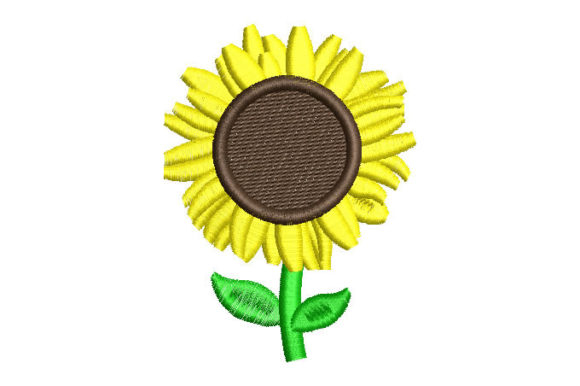
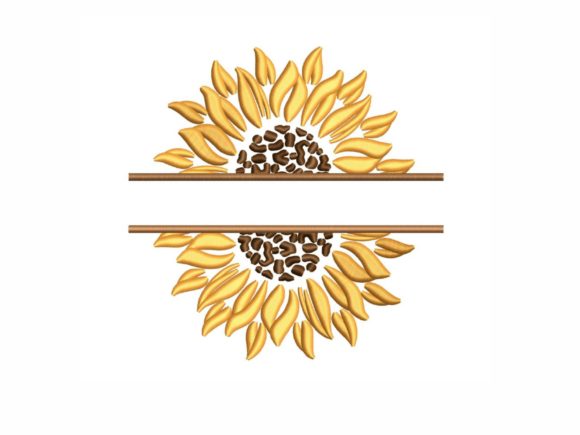
The moment I loaded the machine embroidery design into my software, the structure of the Split Sunflower caught my eye. It belongs to the Single Flowers category, but it offers something more versatile than a standard botanical motif. The "split" feature is the key selling point here. It creates a natural negative space that begs for personalization. In a market saturated with generic floral Embroidery, this design feels intentional and modern. It strikes a balance between rustic farmhouse charm and contemporary minimalism. It is not overly dense, which suggests it will stitch out quickly, nor is it so sparse that it looks cheap. For a craft fair setting, this visual clarity is essential. Customers walking by need to understand the product value in seconds.
Product Versatility and Market Fit
The true test of any digital embroidery file is its adaptability. I imagined setting up my display with a variety of items to see where this design would shine. Here is how I evaluate its performance across different mediums:
- Tote Bags and Market Bags: This is arguably the strongest application. A large hoop size allows the sunflower to be the focal point, with a customer’s name or a witty phrase nestled in the split. It transforms a basic canvas bag into a personalized small shop product that feels premium.
- Apron Embroidery: Kitchenware is a staple at craft fairs. Placing the design on the bib of an apron creates an instant emotional connection. It feels homey and welcoming. The split allows for adding "Mom," "Chef," or a family name, increasing the perceived value.
- Tea Towel Embroidery: Tea towels are impulse buys. The design must be crisp. Since sunflowers are associated with warmth and home, this fits perfectly. However, one must be mindful of the fabric texture. Terry cloth can swallow small details, so this design works best on flat-weave linen or cotton towels.
- Embroidered Patch: If you offer patches, this design is ideal. The split center allows for iron-on backing visibility or custom text without overcrowding the small surface area. It is a great add-on item to increase average order value.
- Caps and Headwear: Curved surfaces are tricky. The split design helps here because it can be centered easily without wrapping awkwardly around the curve. It serves as a bold accent rather than an overwhelming pattern.
Production Practicality for Batch Selling
When preparing for a weekend market, time is money. I look for designs that are repeatable and reliable. The Split Sunflower appears to have a manageable stitch density. It does not look like it will cause excessive puckering, which is a common issue with dense floral designs. This makes it suitable for batch production. You can hoop multiple items, run the machine, and move on. For the commercial embroidery professional, this efficiency is crucial. The design photographs well for online listings because the contrast between the yellow petals and the green stem is naturally high. When creating a printable mockup or taking photos for your Etsy seller profile, the clear lines ensure the image remains sharp even on mobile screens.
Visual Appeal and Customer Engagement
In a booth display, you are competing for attention. The Split Sunflower acts as a visual anchor. Its bright, cheerful nature draws the eye. But more importantly, the split invites interaction. When a customer sees the empty space in the center, they immediately start thinking about what could go there. Their name? A date? A pet’s name? This psychological trigger increases buyer engagement. It turns a passive observer into an active participant in the design process. This interactivity is what drives sales of handmade product items over mass-produced goods. It signals that the item was made with care and can be tailored specifically for them.
Careful-Use Notes and Technical Considerations
While the design is strong, no embroidery file is foolproof. As a designer, I must highlight areas where caution is needed to ensure your finished product maintains high quality.
- Fabric Choice: Avoid highly textured fabrics like thick terry cloth or loose knits unless you use a heavy cut-away stabilizer. The fine details of the sunflower petals may get lost or distort on uneven surfaces.
- Thread Contrast: On dark fabric, ensure you are using high-contrast thread colors. A yellow sunflower on navy blue pops; on black, it might need a brighter gold or orange outline to stand out. Always test your thread colors against your fabric swatches.
- Lettering in the Split: The description mentions adding a word or name. Be careful with font size. If the split is narrow, tiny lettering may become illegible or merge with the flower stitches. Choose bold, simple fonts for smaller hoop sizes.
- Hooping Stability: For larger items like tote bags, ensure your hoop is secure. Any shifting during stitching will ruin the symmetry of the split, making the personalization look off-center.
Designer’s Checklist Before Production
Before you commit to producing fifty tote bags for your next fair, follow these practical steps. First, always test the design on scrap fabric that matches your final product material. Check the registration of the split to ensure the gap is consistent. Second, verify the hoop size requirements. Does it fit in a 4x4 hoop for patches, or does it require a 5x7 for aprons? Knowing this helps you plan your inventory. Third, confirm the licensing. The product description states it comes with files, but always double-check if it includes commercial rights for design assets if you are selling physical goods. Finally, create at least one real-life mockup. Digital previews can be deceiving. Seeing the thread pull and texture in person will tell you if the Split Sunflower truly delivers the premium look you want for your brand.
In conclusion, the Split Sunflower is a strategic addition to any embroidery business portfolio. It balances aesthetic appeal with production efficiency. For the craft fair vendor, it offers a customizable element that drives sales. For the online seller, it provides a photogenic, versatile motif that works across multiple product lines. By paying attention to fabric texture, stabilizer choice, and lettering scale, you can turn this single flower design into a cornerstone of your handmade collection.