Sunflower Flower with Leaves: A Seasonal Review
As an embroidery designer who spends countless hours digitizing and testing patterns for seasonal collections, I approach every new machine embroidery design with a critical eye. It is not just about whether the stitches look good on the screen; it is about how that design performs in the real world of holiday sales, gift-giving, and home decor. When I first loaded the Sunflower Flower with Leaves file into my software, I was immediately struck by its versatility. This is not merely a floral motif; it is a strategic asset for any creator looking to capitalize on the warm, nostalgic, and cheerful aesthetics that dominate the late summer through autumn market.
Capturing the Seasonal Mood and Emotional Tone
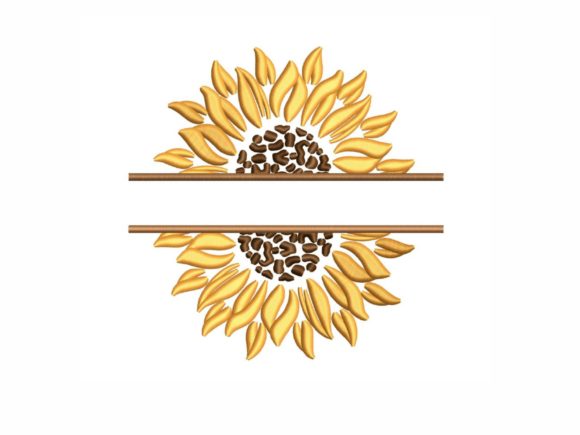
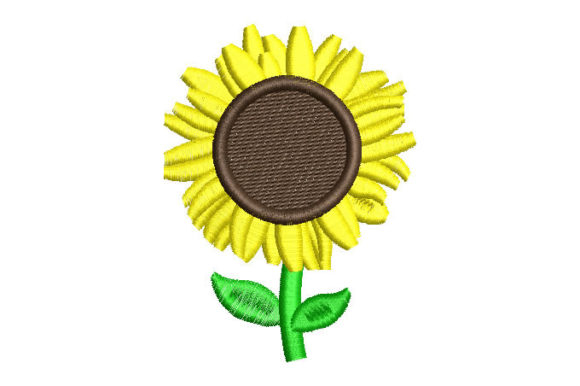
The first impression of the Sunflower Flower with Leaves is one of undeniable warmth. In the context of seasonal product planning, sunflowers evoke feelings of harvest, abundance, and rustic charm. This design bridges the gap between the tail end of summer and the cozy onset of fall. For Etsy sellers and small business owners, this emotional connection is vital. Customers are not just buying a stitch pattern; they are buying a feeling of home and comfort.
The decorative style here leans towards a balanced realism. It is detailed enough to look premium but simplified enough to remain legible on various fabric textures. Whether you are aiming for a playful vibe on children’s items or a more elegant, rustic aesthetic on home linens, this Single Flowers category item delivers. The inclusion of leaves adds necessary volume and movement, preventing the design from looking static or flat. This dynamic quality makes it feel alive, which is crucial for creating engaging social media previews and printable mockup graphics that stop the scroll during busy holiday shopping periods.
Strategic Applications for Holiday Selling
When building a seasonal shop collection, versatility is king. I tested the potential of this embroidery file across a wide range of products, and the results were promising for several key categories.
- Apparel and Wearables: The design shines on sweatshirt embroidery. Placed on the left chest or as a larger back piece, it transforms a basic garment into a statement item. It also works beautifully on denim jackets and canvas tote bags, where the sturdy fabric supports the stitch structure well.
- Home Decor and Linens: For kitchen towel embroidery, the bright yellows and greens pop against white or cream backgrounds. Imagine a set of towels paired with matching aprons for a cohesive gift bundle. The design also adapts well to pillow cover accents, adding a touch of nature-inspired decor to living spaces.
- Gift-Ready Items: Small-scale versions of this design are perfect for embroidered patch creation. These patches can be ironed onto hats, backpacks, or baby blankets, offering a low-commitment entry point for customers who want a handmade gift without the high price tag of full garments.
In terms of holiday embroidery, this design fits seamlessly into Thanksgiving collections, back-to-school promotions, and even early Christmas decor for those who prefer non-traditional, nature-themed ornaments. The ability to create family-matching items, such as coordinating shirts for photoshoots, significantly increases the perceived value of the finished product.
Navigating Technical Challenges and Fabric Constraints
While the visual appeal is strong, a professional review must address where caution is needed. Not every fabric or hoop setup will yield perfect results. Here are specific scenarios where you should test carefully before committing to a large production run.
First, consider the stitch density. Sunflowers often require satin stitches for petals and fill stitches for centers. On thick, plush fabrics like heavy terry cloth towels, the design might sink if not properly supported. Conversely, on lightweight, stretchy garments, excessive density can cause puckering. Always use the appropriate stabilizer—cut-away for knits and tear-away for wovens—to maintain integrity.
Second, pay attention to hoop size limitations. If you are working with smaller hoops, ensure the design scales down without losing the definition of the leaves. Tiny details can merge together if the resolution drops too low. Additionally, when embroidering on dark fabrics, standard yellow threads may not provide enough contrast. You might need to adjust your thread colors or add a white underlay to make the sunflower pop against navy or black backgrounds.
Avoid using metallic threads for the entire design unless you are experienced with tension adjustments, as metallics can break easily in dense floral areas. Instead, use them sparingly for accent highlights if desired. For curved surfaces like caps, ensure the design is digitized specifically for that curvature, or stick to flat applications like patches to avoid distortion.
Enhancing Brand Consistency and Customer Trust
Incorporating the Sunflower Flower with Leaves into your catalog does more than add a pretty picture; it strengthens your brand identity. Consistent use of high-quality, professionally digitized files signals to customers that you care about craftsmanship. This builds trust, which is essential for repeat business.
From a marketing perspective, this design offers excellent opportunities for content creation. You can showcase the digital embroidery file in action through time-lapse videos of the stitching process, before-and-after photos on different materials, and lifestyle shots of the final items in use. These visuals help customers imagine the product in their own lives, increasing conversion rates.
For commercial embroidery purposes, always verify the licensing terms provided with the file. Ensure you have the right to sell finished products made with this design. Transparency about your materials and processes, such as mentioning the type of thread and fabric used, further enhances the perceived value of your personalized gift offerings.
Practical Designer Notes for Implementation
To get the best results from this Embroidery design, follow these practical steps:
- Test on Multiple Fabrics: Stitch out samples on both light and dark fabrics to determine the best thread palette. What looks vibrant on cotton might appear dull on polyester.
- Check Detail Legibility: After stitching, examine the small details of the leaves and petal edges. If they are jagged or merging, adjust your tension or switch to a finer needle.
- Create Realistic Mockups: Use high-quality photos of your stitched samples to create printable mockup assets for your online store. Avoid relying solely on digital renderings, as they do not show texture.
- Plan Color Palettes: Develop coordinated color schemes for your seasonal collection. Pair the sunflower yellows with earthy browns, deep oranges, and sage greens for a cohesive autumn look.
- Verify File Specifications: Since specific technical data like exact stitch count or format options were not detailed in the initial description, always download the preview or contact the seller to confirm compatibility with your machine before purchase.
In conclusion, the Sunflower Flower with Leaves is a robust and emotionally resonant addition to any seasonal lineup. It balances aesthetic beauty with practical application, making it a reliable choice for small shop product development. By understanding its strengths and respecting its technical requirements, you can create stunning, sellable items that resonate with customers seeking warmth and charm in their holiday purchases.