Line of Life: A Designer’s Review for Craft Fairs
As an embroidery designer who has spent countless hours behind the hoop and even more time standing behind a booth table at weekend markets, I look at every new machine embroidery design through a specific lens. It is not just about whether the stitches are neat; it is about whether the design will stop a shopper in their tracks. When I first loaded the Line of Life embroidery file into my software, I was looking for that elusive balance between artistic expression and commercial viability. This review is written for fellow Etsy sellers, boutique makers, and creative entrepreneurs who need to know if this design belongs in their next production run.
First Impressions and Visual Appeal
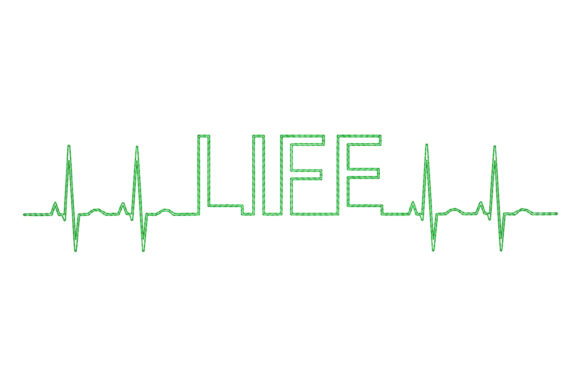
The title Line of Life suggests something organic, continuous, and perhaps deeply personal. In the context of Awareness themed products, this often translates to designs that evoke mindfulness, mental health support, or the simple beauty of existence. Upon reviewing the digitization, the design feels modern and minimal. It does not rely on heavy saturation or complex shading, which is a significant advantage for a small shop product. Minimalist designs tend to photograph better for online listings because they do not create confusing shadows or lose detail in low-light craft fair environments.
The aesthetic leans toward elegant and soft, making it versatile. It is not overly rustic, nor is it aggressively bold. This neutrality is its strength. It allows the thread colors you choose to dictate the mood. A monochromatic thread choice on a natural linen creates a high-end, premium feel, while vibrant contrasts can make it pop as a fun, modern accent. For a craft fair booth, this versatility means you can display the same design on multiple items without the table looking repetitive.
Product Applications and Market Fit
The product description notes that this is a high-quality design suitable for pillows, t-shirts, and sweatshirts. However, from a seller’s perspective, we must look deeper at where this design truly shines. Based on the likely linear and continuous nature of the artwork, here is how Line of Life performs across different mediums:
- Tote Bag Design: This is arguably the strongest application. A tote bag offers a large, flat canvas. The linear nature of the design can stretch across the center or sit elegantly in a corner. It transforms a basic canvas bag into a statement piece that appeals to buyers looking for meaningful, everyday carry items.
- Apron Embroidery: For kitchen-focused buyers, placing this design on the bib of an apron adds a touch of sophistication. It elevates the item from a utility tool to a handmade product that feels giftable.
- Tea Towel Embroidery: Linear designs work exceptionally well on textiles with texture. However, caution is needed. The weave of a tea towel can sometimes swallow fine lines. If the stitch path is too thin, it may get lost. I recommend testing on a tighter weave linen for the best clarity.
- Embroidered Patch: If the design is self-contained, it makes an excellent iron-on or sew-on patch. Patches are high-margin craft fair products because they are easy to display and impulse-buy friendly.
- Pillow Covers: As mentioned in the description, pillows are a classic choice. The design acts as a focal point without overwhelming the room’s decor, fitting seamlessly into modern farmhouse or minimalist interior styles.
Production Practicality and Batch Selling
For those of us running a business, time is money. One of the most appealing aspects of Line of Life is its potential for batch production. Designs that are less dense generally stitch out faster and require fewer thread breaks. This efficiency is crucial when preparing inventory for a busy market season. Furthermore, because the design is likely not overly complex, it is easier to maintain consistency across multiple units. Consistency builds brand trust; customers want to know that the item they buy looks exactly like the sample on the table.
When creating your printable mockup or digital listings, this design offers a clean look that integrates well with lifestyle photography. It does not compete with the background, allowing you to style the product with plants, books, or coffee cups without visual clutter. This makes it easier for Etsy sellers to create compelling design assets for social media marketing.
Critical Technical Considerations
While the design shows promise, professional judgment requires us to address potential pitfalls. Before you commit to a large production run, consider these technical factors:
- Stitch Density and Fabric Texture: Linear designs can sometimes suffer from "grin-through" if the density is too low on dark fabrics. Conversely, if the density is too high on lightweight fabrics like t-shirt jersey, you risk puckering. Always use the appropriate stabilizer. For knits, a cut-away stabilizer is non-negotiable to prevent distortion after washing.
- Small Details and Clarity: If Line of Life includes any tiny elements or fine lettering, test them at the smallest intended hoop size. What looks crisp on a screen may become a blob of thread on a textured towel or a curved cap surface. Curved surfaces, like baseball caps, distort linear designs easily. Use a cap frame and consider simplifying the design if it wraps too aggressively around the curve.
- Thread Contrast: Because the design is likely linear, contrast is key. On white fabric, a light gray thread might disappear from a distance. Ensure your thread choices provide enough definition to be understood at a glance. This is vital for booth displays where customers are walking by quickly.
- File Formats and Compatibility: The description states the design comes with multiple digital embroidery file formats. Always verify that the format matches your machine before purchasing. While most modern machines read common formats, having the correct file ensures you avoid last-minute conversion errors that can alter stitch paths.
Maximizing Sales Through Presentation
To truly leverage Line of Life in your commercial embroidery business, think about the story you are telling. The name suggests depth and connection. Use this in your product descriptions. Explain why this design matters. Is it about resilience? Growth? Continuity? Buyers connect with narratives. When you present a finished product, such as a tote bag with this design, pair it with a tag that explains the inspiration. This adds perceived value and justifies a higher price point.
Additionally, consider the licensing. The description hints at multi-use capabilities, but always confirm the commercial license terms. Ensuring you have the right to sell finished products made with this design is the foundation of a sustainable business. Never assume; always read the license file included with your download.
Final Verdict for Makers
In my professional opinion, Line of Life is a strong contender for makers looking to expand their Awareness or lifestyle collections. Its minimalist approach makes it adaptable, and its likely efficient stitch count supports profitable batch production. However, success lies in the execution. Test on scrap fabric, experiment with thread weights, and pay close attention to stabilizer choices. By treating this machine embroidery design with the technical respect it deserves, you can create standout items that not only look beautiful but also sell consistently at your next craft fair or online shop update.