Thankful: A Designer’s Review for Craft Fair Success
As an embroidery designer who has spent countless weekends behind a craft fair table, I know that the difference between a browsing customer and a buying customer often comes down to split-second visual impact. When I first loaded the Thankful machine embroidery design into my software, my immediate goal was not just to admire the aesthetics, but to evaluate its potential as a high-converting craft fair product. In the competitive world of handmade goods, especially during the busy autumn season, we need designs that communicate warmth and quality instantly. This review breaks down how Thankful performs in real-world production scenarios, from hoop selection to final booth display.
First Impressions: Mood and Market Fit
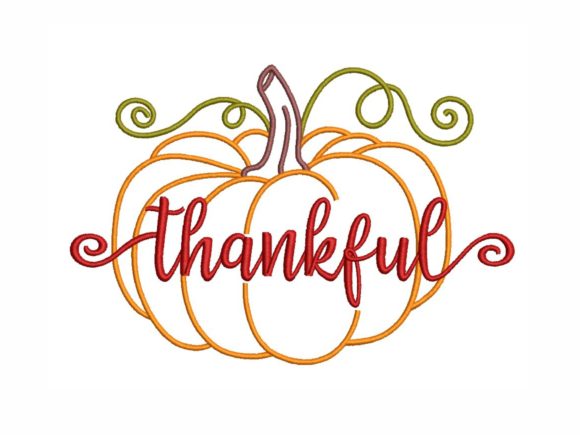
The title Thankful sets a clear expectation. Upon reviewing the digitization, the design exudes a sense of rustic elegance and modern farmhouse charm. It does not scream for attention with neon brightness; rather, it invites the viewer in with a soft, decorative appeal. For Thanksgiving and autumn-themed markets, this is crucial. Customers are looking for items that feel homey and sentimental. The design feels balanced, avoiding the clutter that often plagues seasonal motifs. It strikes a line between being festive enough for the holiday yet subtle enough to remain on a kitchen towel long after November ends. This versatility is what makes it a strong candidate for a small shop product that needs to sell across multiple weeks of the season.
Product Applications and Visual Appeal
To maximize sales, we must place the right design on the right substrate. Here is how Thankful performs across various popular handmade products:
- Tote Bag Design: This is perhaps the strongest application. A canvas tote with Thankful centered or placed in the lower corner becomes an instant bestseller. The design scales well, acting as a focal point that is easy to read from a distance. It transforms a simple bag into a statement piece for grocery runs or library visits.
- Apron Embroidery: For the culinary crowd, stitching this onto a linen or cotton apron adds significant perceived value. The design sits beautifully on the bib or the pocket, offering a premium look that justifies a higher price point for your handmade product.
- Tea Towel Embroidery: Kitchen textiles are impulse buy staples at craft fairs. However, caution is needed here. The fabric texture of waffle weave or thin cotton can cause puckering if the stitch density is too high. If the design allows for lower density, it creates a lovely, lightweight accent that photographs beautifully for online listings.
- Embroidered Patch: If the design holds up at a smaller scale, turning it into an iron-on or sew-on patch expands your inventory without requiring large hoops. Patches are excellent for adding variety to a booth display and appealing to younger demographics who customize denim jackets.
- Caps and Headwear: Curved cap surfaces are tricky. If Thankful has wide lettering or expansive elements, it may distort on a structured cap. It works best here if kept compact and centered, ensuring the text remains legible despite the curve.
Production Practicality for the Busy Maker
When preparing for a weekend market, efficiency is key. We need a digital embroidery file that is reliable and repeatable. One of the major advantages noted in the product description is that this machine embroidery design comes with multiple embroidery file formats. This flexibility is vital for compatibility with various machines, whether you are running a single-needle home unit or a multi-needle commercial setup.
From a production standpoint, the design appears to be optimized for clarity. It does not rely on microscopic details that might get lost in thick fabric or fuzzy towels. This robustness means you can batch produce items with confidence. You are not constantly stopping to trim excessive jumps or fix thread breaks caused by overly complex satin stitches. For an Etsy seller or boutique maker, this reliability translates directly to profit margins. Less time fixing errors means more time listing new items or engaging with customers.
Careful-Use Notes and Technical Considerations
While Thankful is versatile, professional judgment requires us to anticipate potential pitfalls. Here are critical technical factors to consider before launching your production run:
- Stitch Density and Fabric Texture: Always test the design on scrap fabric identical to your final product. Dense stitch areas can cause puckering on lightweight linens or tea towels. If you notice pulling, use a cut-away stabilizer instead of tear-away to provide lasting support, especially for items that will be washed frequently.
- Thread Colors and Contrast: The visual appeal of this design relies heavily on thread choice. On dark fabric, ensure you use high-contrast threads so the word "Thankful" remains legible. Conversely, on natural cotton, earthy tones like rust, olive, or cream enhance the rustic aesthetic. Avoid low-contrast combinations that make the design disappear from a distance.
- Small Lettering and Clarity: If you plan to scale the design down for small pouches or ornaments, check the legibility of the lettering. Tiny details can merge together if the design is reduced too much. Always inspect the preview in your embroidery software to ensure spacing remains open and clean.
- Hoop Size and Placement: Confirm the required hoop size before purchasing materials. You do not want to discover mid-production that the design requires a 5x7 hoop when you only have 4x4 hoops available for your current project lineup.
Boosting Brand Consistency and Buyer Engagement
Beyond the stitch itself, Thankful serves as a tool for brand building. Consistent use of this design across different products—such as matching pillow covers and market bags—creates a cohesive collection. This visual consistency strengthens your booth display, making your table look curated and professional rather than cluttered.
For online sales, the design photographs exceptionally well. Its clean lines and balanced composition create attractive printable mockup opportunities. You can showcase the design on various backgrounds without it looking chaotic. This helps in creating compelling social media content and Etsy listings that stand out in a crowded digital marketplace. When customers see a finished product that looks polished and intentional, their engagement increases, leading to higher conversion rates.
Final Verdict for Commercial Embroidery
In the realm of commercial embroidery, reliability and aesthetic appeal must coexist. Thankful meets these criteria by offering a design that is both emotionally resonant and technically sound. It is not just a seasonal novelty; it is a versatile asset for your design library. Whether you are creating giftable handmade items for local buyers or scaling up for online shipping, this design provides the flexibility needed for diverse applications.
Before you begin full-scale production, remember to verify the specific license terms included with your download. While the description states it can be used for commercial purposes, always double-check any restrictions on mass production or digital resale. Create at least one real mockup on your intended fabric to confirm thread tension and color harmony. By taking these prudent steps, you ensure that every finished product bearing the Thankful motif reflects the high standards of your handmade business. This design is a solid investment for any embroidery entrepreneur looking to add warmth and professionalism to their autumn collection.